
What Makes a Number More Likely to Be Accepted for OTP?
Introduction Online verification has become a common part of using websites, apps, and digital services. Whether creating an account, logging in, or confirming…
Introduction
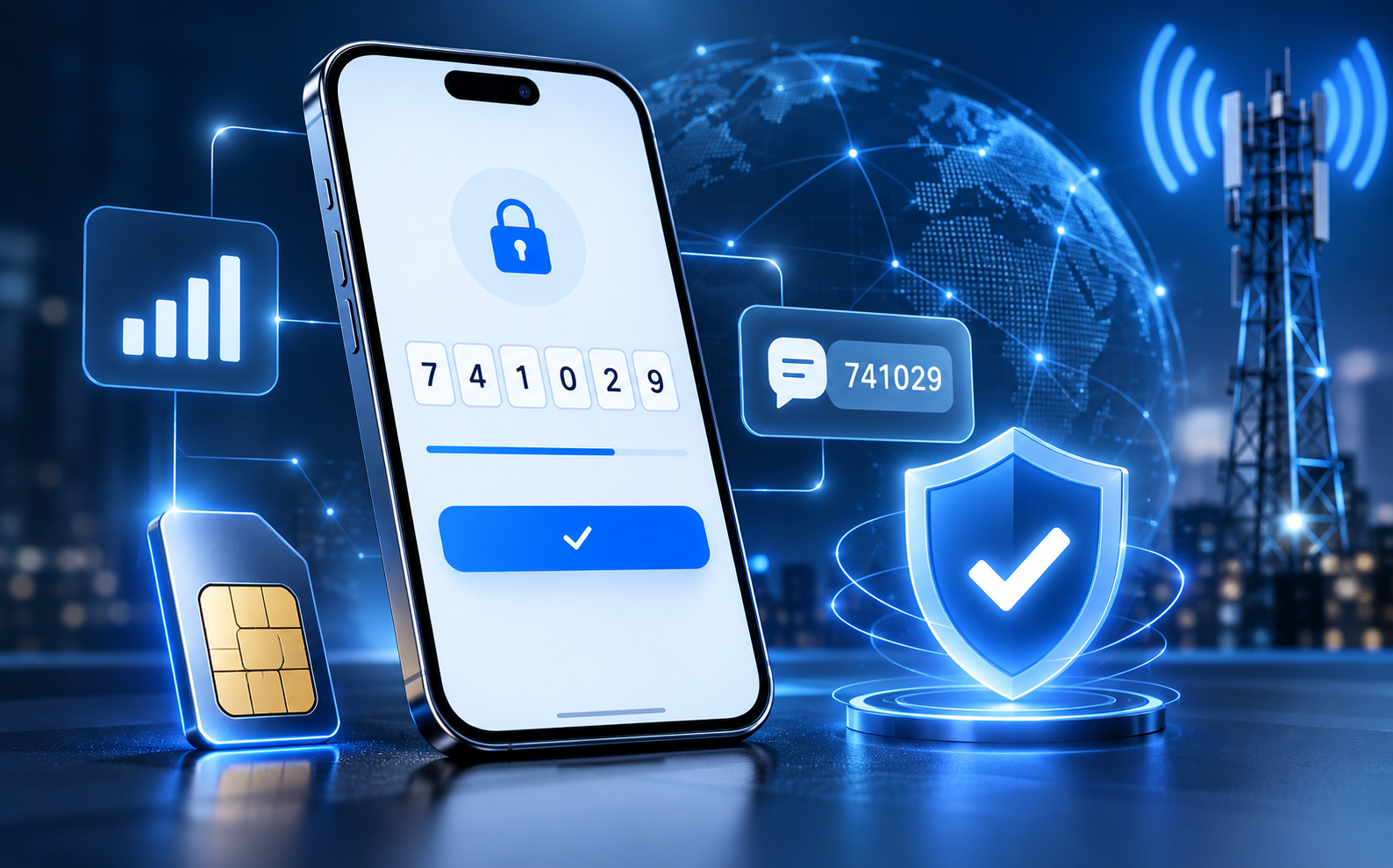
Online verification has become a common part of using websites, apps, and digital services. Whether creating an account, logging in, or confirming identity, many platforms require an OTP (One-Time Password) sent to a phone number.
However, users often face problems like "number not accepted," "invalid phone number," or "this number cannot be used for verification." These issues usually happen because online platforms check different factors before allowing a number to receive an OTP.
Understanding what makes a number more reliable for OTP verification can help users avoid failed verification attempts and enjoy a smoother online experience.
Real Mobile Numbers Have Higher Acceptance Rates
One of the biggest factors that affects OTP acceptance is the type of phone number being used. Many online platforms prefer numbers connected to real mobile networks because they are easier to verify and trust.
Numbers connected to physical SIM cards usually have a stronger reputation compared to temporary or virtual numbers. When a platform receives a verification request, its security system may check whether the number belongs to a recognized mobile network.
A number connected to a legitimate carrier is more likely to pass these security checks because it appears like a normal mobile user rather than an automated or suspicious account.
Why Non-VOIP Numbers Are More Trusted
VOIP (Voice over Internet Protocol) numbers are internet-based phone numbers that do not always connect to traditional mobile networks. While they can be useful for many purposes, some websites restrict them because they are commonly used for bulk registrations and automated activities.
Because of this, many verification systems have developed filters that identify and block certain VOIP numbers.
Non-VOIP numbers, on the other hand, are linked to real mobile infrastructure. They work through actual SIM-based connections and are generally recognized as authentic mobile numbers.
For users who need reliable OTP verification, choosing a real mobile number can significantly improve the chances of successful verification.
Mobile Network Reputation Matters
Another important factor is the reputation of the mobile network behind the number. Online platforms use advanced security systems to analyze whether a number comes from a trusted source.
Numbers from established mobile carriers usually receive better acceptance because they are associated with normal user activity. Security algorithms often consider carrier information, network type, and previous usage patterns when deciding whether a number should be approved.
A reliable OTP number should come from a stable mobile connection with proper network support. This helps reduce verification failures and improves the overall user experience.
Privacy Benefits of Using Dedicated OTP Numbers
Many people do not want to share their personal phone numbers with every website or application they use. Using your main number everywhere can increase unwanted messages, marketing calls, and privacy concerns.
A dedicated OTP service provides an alternative way to complete verification while keeping your personal number private.
With a separate verification number, users can receive necessary codes without exposing their primary contact details. This approach helps maintain better control over online privacy and digital identity.
Fast OTP Delivery Improves Success
Speed is another important factor when choosing an OTP number. Most verification codes have a short expiration period. If the message arrives too late, the code may no longer work, forcing users to request another one.
A reliable OTP number should have fast message delivery and stable connectivity. Good infrastructure ensures that verification messages arrive quickly when needed.
Instant access to OTP messages saves time and prevents repeated verification attempts.
Avoiding Common OTP Verification Problems
Several simple factors can improve OTP success:
Use numbers connected to trusted mobile networks.
Avoid low-quality temporary numbers with poor reputation.
Choose services that provide stable and reliable connections.
Make sure the number can receive SMS messages instantly.
Avoid repeatedly using the same number for many suspicious activities.
Following these practices can help users reduce verification errors and complete account registration more easily.
Conclusion
A number's acceptance for OTP verification depends on several factors, including network type, mobile reputation, connection quality, and delivery speed. Real mobile numbers connected to trusted networks generally have a higher success rate because they appear more reliable to security systems.
For users who need privacy and convenience, using a dedicated OTP solution can provide a practical way to receive verification codes without sharing personal phone details.
Choosing the right type of number makes the verification process faster, smoother, and more reliable across different online platforms.
Ready to try it yourself?
Get a Number Now